
I was fortunate enough to attend a professional development that discussed the book Building Thinking Classrooms in Mathematics by Peter Liljedahl. The book discusses using vertical workspaces for a thinking classroom. The process swears by these protocols:
- Vertical Spaces for students to work, the space needs to be erasable
- Students are randomly sorted into groups, and the students SEE that the groups have been randomly assigned
- Only one marker/eraser per team
This would be perfect for a day for expanding on a topic that students have a solid foundation of the basics. For example, I would not use this method on the first day of introducing exponent rules, but once students have a foundation of the rules, and multiple rules need to be used in a single expression, this type of lesson would work perfectly.


The example on the left is an ideal lesson to implement vertical math. The idea is the same, students can work together as the problems get more difficult, and the problems are easy to assign or write above the student’s workspace as they move at their own pace. The example on the right would be less ideal. It is very wordy (making it difficult to assign to different students on different questions) and there is a lot to dissect.
I really enjoy using this idea in my classroom because it really centers the learning on the student and not necessarily on how well they can pay attention for 55 minutes. It also brings up several great learning opportunities for the class. Regardless of whether a group is making some really interesting strides or a very common mistake, we can all huddle around that board, talk about it, and learn from it. It allows me to differentiate easily because no one really knows what the other groups are currently working on. They won’t know whether they were given a challenging/ extension question or a remedial one.
On the flipside, the chaos that this brings can be extremely overwhelming. I typically have very specific and well run procedures in my classroom, and this makes things run a little loosely. It certainly takes times to set up processes with this particular type of lesson – but it can be done to minimize the chaos.
There are a lot of different ways to group your students randomly. My personal favorite is using a random student team generator. This is the one I use: Random Student Generator
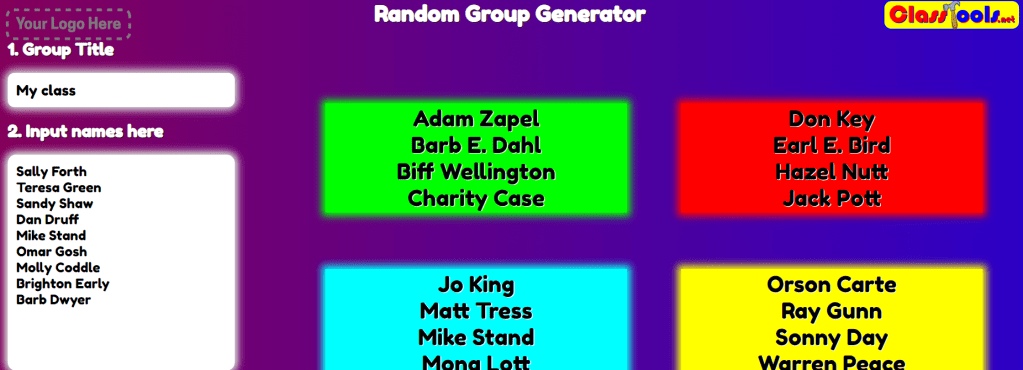
I use this because students can watch it do it’s magic and see that it is completely random. A coworker of mine is a big fan of using a deck of cards. Students grab a card on their way into class and then can either be grouped using suit or number. If you don’t mind the number of students in each group, you can also have them roll a die on their way in to determine grouping as well. The options are endless.

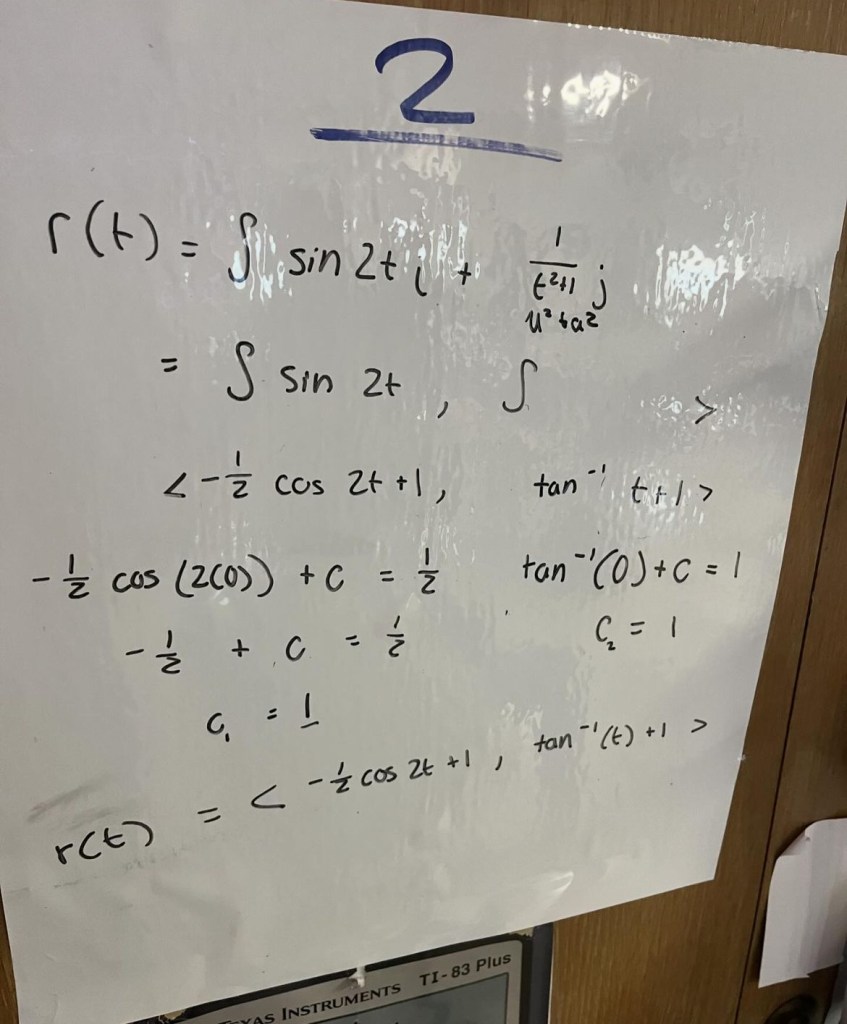
There are a lot of lessons that lend themselves easily to this format, especially practice days. It is a nice way to mix up direct instruction and put the students in charge of their own learning. If you can embrace the chaos, give it a try and see how your students (and you!) like it!
 Ms. Pi 4 Ever